


Just a Baby: Become a parent
3.4648.00 Reviews
App Specs
- Version
- 25.4.0
- Updated On
- License
- Free
- Downloads
- 100,000+
- Developer
- Just a Baby Inc.
- Categories
- Parenting
- Platform
- Android
Screenshots
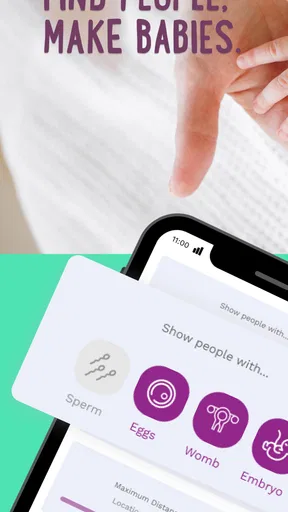
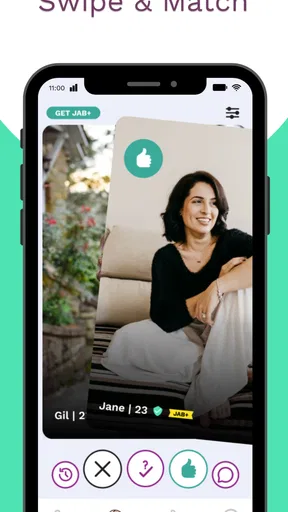
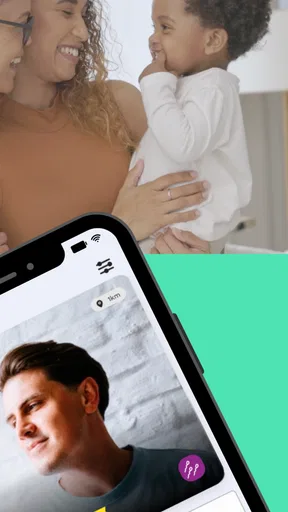
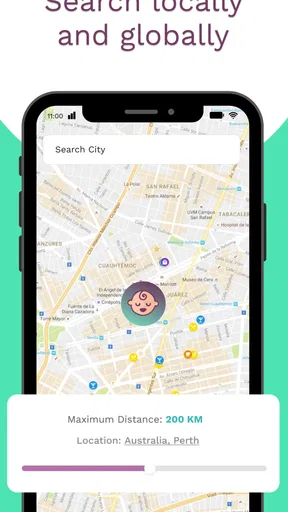

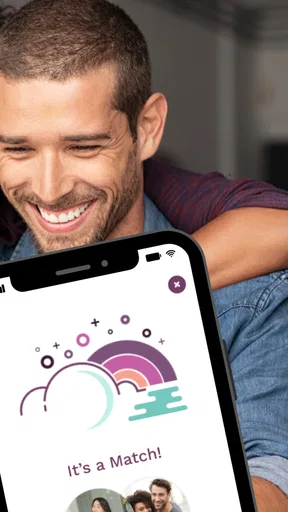
 Analysis by AppCompare
Finding a donor, co-parent, or surrogate is not the same as browsing an ordinary social app. The decision involves family plans, medical questions, legal responsibilities, identity, and a great deal of trust. I approached Just a Baby with that in mind, rather than treating it like a simple matching service. My overall impression is that it can make the first discovery step less isolating, but it should be used as a starting point for careful conversations, not as a shortcut around professional advice.
Developed by Just a Baby Inc., this free parenting app is built around connecting people who are exploring egg donation, sperm donation, co-parenting, or surrogacy across different countries. It is available for users on Android 7.0 and later, and the current version is 25.4.0. The app is rated for mature audiences aged 17 and over, which feels appropriate given the subjects discussed and the seriousness of the relationships involved.
From a personal goal to a possible connection
The most useful way to understand the app is as a workflow. You begin with a personal situation: perhaps you want to become a parent but need a donor, or you are considering co-parenting with someone outside your existing circle. Instead of depending entirely on friends, clinics, or specialist agencies, you can use this app to look for people whose plans appear compatible with yours.
That wider reach is the main attraction. A local search may produce very few realistic possibilities, especially for people with specific preferences about geography, family structure, communication, or involvement after a child is born. A global community can increase the chance of finding someone who understands your situation. The trade-off is that distance immediately creates extra questions about travel, local law, healthcare, documentation, and long-term contact.
I would therefore install it before I had a complete plan, but I would not start messaging randomly. Before opening conversations, I would write down what I actually need from another person. For a donor, that might involve medical history and the expected level of future contact. For a co-parent, it could include daily responsibilities, location, finances, education, and decision-making. For a surrogate arrangement, the discussion becomes even more dependent on qualified medical and legal guidance.
This preparation makes the app more useful because it changes the experience from casual browsing into structured discovery. It also protects time. A friendly profile can still represent a completely unsuitable arrangement if the two people want different roles or live under incompatible legal systems.
Setting expectations before searching
The first important handoff is from your private intention to your public-facing profile and conversations. That transition deserves care. You need enough information to help another person understand your situation, but you should avoid putting sensitive personal details into an open profile before trust has been established.
Worth Reading Before You Choose

EA SPORTS FC Mobile 26 Is a Bigger Football Game, but It Takes Time

Flipboard Shows What News Apps Must Do Beyond the Feed

Switching to Android Auto Means Rethinking Your Driving Routine

Google Calendar Makes a Crowded Week Easier to Manage

Ludo King Makes the Most of the Minutes Between Plans

Baby Panda World Brings Quick Play to Modern Phones, but Its Game Library Feels Busy
I found the global focus especially important here. A person who seems ideal in a short introduction may be separated from you by a border, a different healthcare system, or rules that treat donation, surrogacy, and parental recognition differently. The app can help you discover that person; it cannot turn those complications into a simple arrangement.
My practical advice is to keep the first profile clear and restrained. Explain the type of connection you are exploring, your general location, and the broad expectations you already understand. Do not make promises about money, legal status, medical outcomes, or future parenting roles before receiving independent advice. That approach also makes it easier to identify people who are looking for something fundamentally different.
Moving from discovery to conversation
Once you find a potentially suitable person, the next stage is not “match and proceed.” It is a sequence of small checks. Start by comparing intentions. Someone describing themselves as a donor may expect little or no ongoing involvement, while another person may want a lasting relationship with the child or the family. Those positions are not minor differences, and they should be discussed early.
I would also ask questions that are easy to overlook when a conversation feels promising. How far is each person willing to travel? Which decisions need to be agreed before anything happens? What kind of professional support does each side expect? How will disagreements be handled? What happens if health circumstances change? These questions can feel uncomfortable, but avoiding them simply moves the difficulty to a later and more expensive stage.
The app is strongest when it helps people reach these conversations sooner. Its weakness is that a profile and a few messages cannot verify the qualities that matter most in a family-building arrangement. Warm communication is encouraging, but it is not proof of medical suitability, legal compatibility, financial reliability, or emotional readiness.
Use the app to widen your search, not to replace screening. I would keep conversations inside the platform at first, share personal information gradually, and involve a qualified clinic, lawyer, counselor, or other appropriate professional before agreeing to a real-world arrangement. The right professional depends on the path being considered and the countries involved.
The handoff from online contact to real-world checks
This is where the experience becomes more demanding than the store summary suggests. A connection that begins globally may require several separate handoffs: from app messages to a video conversation, from a video conversation to identity and background checks, and from general interest to medical and legal consultation. Each handoff can expose a mismatch that was invisible at the beginning.
I would treat a request for urgent commitment, secrecy, or immediate payment as a reason to pause. I would also be cautious if a person avoids reasonable questions, refuses independent verification, or pushes the conversation away from professional channels. These are not problems the app can automatically solve; they are situations where the user has to slow down and protect themselves.
Another useful habit is to keep a written record of what has been discussed. Not because every early message is a contract, but because memory becomes unreliable when conversations stretch over weeks or involve several people. A simple private note of agreed expectations, unresolved questions, and promised follow-ups can prevent two people from believing they reached different conclusions.
For co-parenting, the handoff is particularly substantial. You are not only looking for a biological connection or a friendly personality. You are assessing whether two adults can cooperate through illness, work changes, holidays, schooling, relocation, and disagreements. The app may help you meet someone who shares the wish to become a parent, but shared motivation is only the first layer of compatibility.
A realistic everyday scenario
Imagine someone living in a small town who has already spoken with local contacts but has not found a suitable donor. They install the app, create a careful profile, and discover a person in another country who appears to share the same expectations about contact. The initial conversation is positive, so they compare locations, timelines, and the role each person wants to play.
At this point, the sensible next step is not booking travel. They arrange a longer call, identify questions for a clinic, and consult a lawyer familiar with the relevant jurisdictions. The professionals raise issues that neither person had considered, including how parentage might be recognized and which documents may be required. The connection may survive those checks, or it may end. Either outcome is useful: the app helped them reach a possibility, while the later checks prevented an uninformed commitment.
That scenario captures the app’s proper role. It can reduce the difficulty of finding people with similar goals, especially when local networks are limited. It cannot provide the reassurance that comes from medical testing, enforceable agreements, or a professional assessment of whether the arrangement is safe and workable.
What happens when the connection looks promising
If the early conversations remain compatible, the result is a clearer path toward the next stage. You may have identified someone worth discussing with professionals, or you may have learned that a particular arrangement is not suitable for you. Both are better outcomes than staying stuck with a vague idea of where to begin.
I like that the app is aimed at several different routes to parenthood rather than presenting only one model. That makes it relevant to people whose circumstances do not fit a conventional dating or family-planning service. At the same time, the broad audience means you must define your own route. A person seeking a donor and a person seeking a co-parent may both be interested in becoming a parent, but their practical expectations can be completely different.
The free entry point lowers the barrier to exploring the community. There are in-app purchases ranging from $1.99 to $109.99 per item, so I would review any purchase screen carefully and decide whether a paid option genuinely improves my process before spending money. I would not pay simply because a conversation feels urgent. A purchase cannot replace verification, legal advice, or a thoughtful agreement.
The app has passed the point of being a tiny experiment, with over 100,000 installs, but its average rating is 3.4 from around 2,900 ratings and 648 reviews. I read that as a sign to keep expectations measured. There is enough interest for the concept to be worthwhile, yet the experience may vary depending on the people available in your region and the type of connection you need.
Where the workflow breaks down
The biggest friction is the gap between a promising introduction and a safe, workable family arrangement. That gap is not a minor missing feature; it is the central challenge of this category. The app can place people in the same conversation, but it cannot make them honest, emotionally prepared, medically suitable, or legally compatible.
Geography is another serious obstacle. A global connection sounds helpful, but distance can make appointments, travel, documentation, and ongoing contact difficult. If you need a local arrangement or a highly coordinated clinical process, a specialist agency or clinic may be a better first choice. Those services can be more structured and expensive, but they may provide a clearer route through screening and administration.
Privacy also requires active judgment. Family-building conversations involve information that can affect you and a future child for years. I would avoid sharing identity documents, financial details, medical records, or home information through casual messages. I would verify the identity of anyone I planned to meet, tell a trusted person about the meeting, and choose a public setting for an initial in-person conversation.
The mature age rating is not just a label to ignore. The app deals with adult relationships, reproduction, and potentially sensitive discussions. It is not a casual social space for younger users, and even adults should approach it with emotional boundaries. If a conversation becomes manipulative, sexualized in an unwanted way, or pressuring, ending contact is more important than preserving a possible match.
Another limitation is that the app may not be the right tool for someone who already knows they need formal coordination. If your situation involves a complex medical history, a time-sensitive treatment plan, or a cross-border legal arrangement, begin with the relevant professionals and use the app only as an additional way to meet people. The order matters: discovery first can be useful, but professional guidance should come before commitment.
Who will get the most from it
I think Just a Baby is most useful for adults who are still exploring their options and want to meet potential donors, co-parents, or surrogates beyond their immediate social circle. It is particularly appealing when local connections are scarce and when the user is willing to invest time in careful conversations rather than expecting an instant solution.
It can also help someone clarify what they want. Reading different approaches to donation, co-parenting, and surrogacy may reveal questions you had not considered. That is one of the less obvious benefits: the search process can educate you about your own boundaries. You may discover that you want a local co-parent, that you are not comfortable with anonymous contact, or that ongoing involvement is essential to you.
I would recommend it to a patient user who can separate emotional excitement from practical approval. That person will use the app to find possibilities, then move deliberately through calls, verification, counseling, medical discussions, and legal advice. They will also accept that a promising conversation may end when the details are examined.
I would skip it as a primary solution if you want a fully managed service, guaranteed screening, or a quick route to parenthood. It is also a poor fit for anyone who dislikes initiating difficult conversations, checking claims independently, or dealing with international complications. In those cases, a reputable clinic, agency, or family-law professional may offer a more suitable structure.
My recommendation after following the full process
My final view is positive but deliberately cautious. This parenting app gives people a practical place to begin when they are searching for a donor, co-parent, or surrogate and do not want their options limited to their existing network. The free starting point makes exploration accessible, while the range of possible connections gives it more purpose than a general dating service.
Its value appears before the final outcome. It can help you move from uncertainty to a shortlist of people, from a shortlist to meaningful questions, and from those questions to a professional assessment. That is a worthwhile contribution, even when the eventual answer is that a particular connection should not continue.
My advice is to use it with a written checklist, protect private information, keep early conversations unhurried, and treat every online connection as unverified until the appropriate checks are complete. Do not confuse a shared wish to become a parent with an agreement about how parenthood will work. If you can manage that distinction, Just a Baby is a useful discovery tool. If you need certainty, formal screening, or direct clinical coordination from the beginning, choose a specialist service instead and regard this app as optional support rather than the foundation of your plan.
Pros
- Simple matching tools make it easy to explore potential co-parent connections.
- Profile details help users communicate their parenting expectations early.
- The app focuses specifically on people interested in becoming parents.
- In-app messaging can support conversations before sharing personal contact details.
- A niche community may feel more relevant than general dating platforms.
Cons
- Matching outcomes may depend heavily on how many users are active nearby.
- Conversations about parenting require careful verification and personal boundaries.
- Some features may be limited unless you create a detailed profile.
- The app may not suit users seeking conventional romantic relationships.
- Users should independently discuss legal
- financial
- and custody arrangements.
FAQs for Just a Baby: Become a parent
What is Just a Baby: Become a parent?
Just a Baby: Become a parent is an app designed to help people explore parenthood and connect with others who may share similar family-building goals. Depending on your profile and preferences, you can learn about potential parenting arrangements, communicate with other users, and discuss important expectations before moving forward. It is intended for adults and should be approached as a serious decision-making and communication tool, not as a guaranteed way to become a parent.
Is Just a Baby: Become a parent safe to use?
The app may include profiles, messaging, and personal information related to family plans, so users should take privacy and personal safety seriously. Avoid sharing sensitive details too quickly, verify information independently, and keep early conversations inside the app when possible. Never send money or agree to medical, legal, or parenting arrangements without professional advice. Meeting someone in person should always happen in a public place and with another person informed.
Is Just a Baby: Become a parent free to download?
The application may be available to download without an upfront charge, but some features can depend on the current subscription model, in-app purchases, or regional availability. Before creating a long-term plan, check the store listing for the latest pricing, included tools, and renewal conditions. If a subscription is offered, review the billing period and cancellation instructions carefully so you understand what you will be charged.
Who can use Just a Baby: Become a parent?
Just a Baby: Become a parent is aimed at adults who are considering parenthood and want to meet people with compatible intentions. Eligibility requirements, age limits, and availability can differ by country or platform. The app should not be treated as a replacement for legal, medical, fertility, or psychological guidance. Anyone considering a co-parenting or donor arrangement should obtain independent professional advice before making commitments.
Can the app guarantee a successful parenting arrangement?
No. Just a Baby: Become a parent can help users discover profiles and begin conversations, but it cannot guarantee compatibility, pregnancy, legal recognition, medical safety, or a successful long-term co-parenting relationship. These arrangements involve major emotional, financial, medical, and legal responsibilities. Users should discuss expectations openly, confirm consent, and consult qualified professionals to create appropriate agreements before taking any significant steps.


